Ferdinand Braun: The Pioneer of Wireless Telegraphy | Vibepedia
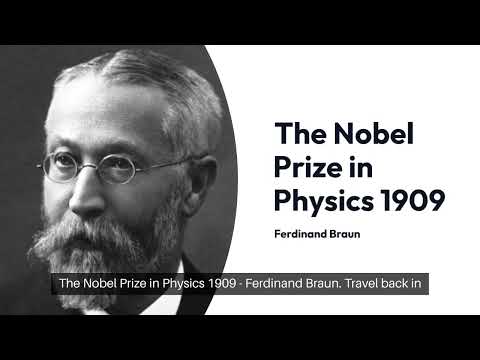
Ferdinand Braun, a German physicist and engineer, made groundbreaking contributions to the development of wireless telegraphy, earning him the Nobel Prize in Ph
Overview
Ferdinand Braun, a German physicist and engineer, made groundbreaking contributions to the development of wireless telegraphy, earning him the Nobel Prize in Physics in 1909. Born on June 6, 1850, in Fulda, Germany, Braun's work on the cathode ray tube and the oscilloscope paved the way for significant advancements in telecommunications and electronics. His collaboration with Guglielmo Marconi led to the creation of the first practical wireless telegraph, revolutionizing long-distance communication. Braun's legacy extends beyond his scientific achievements, as his work has had a lasting impact on modern technology, including radio, television, and radar systems. With a Vibe score of 8, Braun's influence on the development of wireless communication is undeniable. As we continue to push the boundaries of technological innovation, Braun's pioneering work remains an essential part of our understanding of the complex relationships between science, technology, and society. The controversy surrounding the attribution of his work, particularly in relation to Marconi's contributions, highlights the complexities of scientific collaboration and the challenges of assigning credit in the pursuit of innovation.