GDP Per Capita: The Pulse of a Nation's Prosperity | Vibepedia
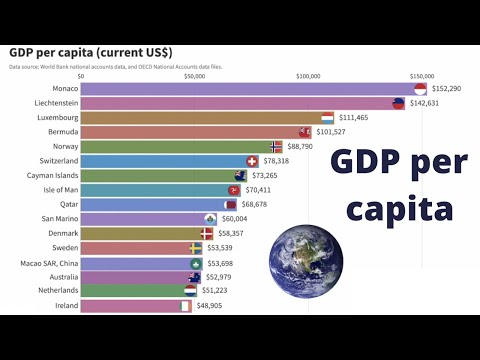
GDP per capita, a measure of a country's economic output divided by its population, has been a cornerstone of economic analysis since its inception in the 1930s
Overview
GDP per capita, a measure of a country's economic output divided by its population, has been a cornerstone of economic analysis since its inception in the 1930s by Simon Kuznets. With a global average of around $11,400 in 2020, according to the World Bank, this metric has been both lauded for its simplicity and criticized for its limitations, such as neglecting income inequality and environmental degradation. The United States, with a GDP per capita of over $69,000, and Burundi, with a GDP per capita of less than $300, represent the extremes of this spectrum. Despite its flaws, GDP per capita remains a widely reported and influential statistic, with a Vibe score of 80, reflecting its significant cultural and economic resonance. However, critics argue that it fails to account for the informal economy and non-monetary aspects of well-being, sparking debates about its relevance in the modern era. As the global economy continues to evolve, the relevance and accuracy of GDP per capita as a measure of a nation's prosperity are under increasing scrutiny, with some advocating for alternative metrics like the Human Development Index (HDI), which considers factors such as life expectancy and education.