Hans Küng: Theologian and Vatican Critic | Vibepedia
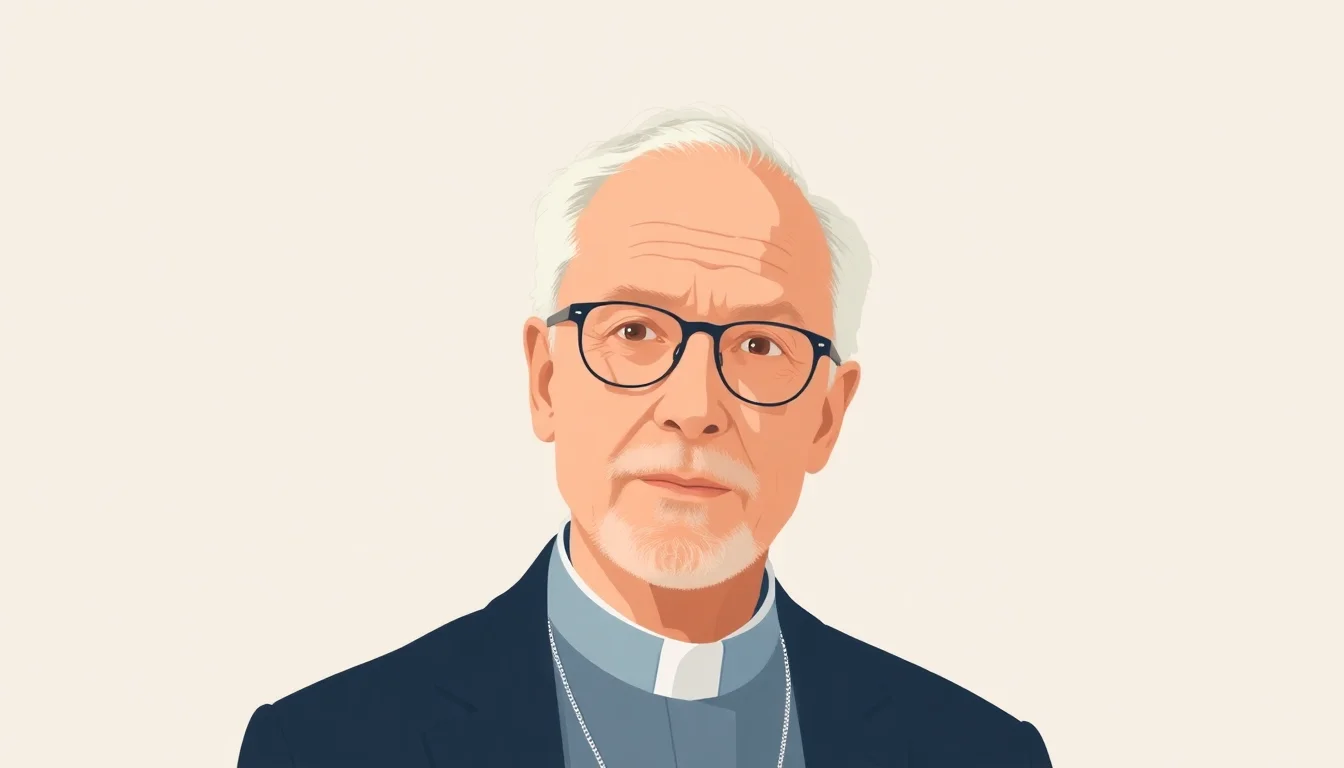
Hans Küng, a Swiss Catholic theologian, was a prominent figure in 20th-century Catholicism, known for his critiques of Vatican doctrine and his advocacy for ref
Overview
Hans Küng, a Swiss Catholic theologian, was a prominent figure in 20th-century Catholicism, known for his critiques of Vatican doctrine and his advocacy for reform. Born on March 19, 1928, in Sursee, Switzerland, Küng was ordained as a priest in 1954 and quickly gained recognition for his theological writings. His 1970 book 'Infallible?: An Inquiry' challenged the doctrine of papal infallibility, leading to a significant controversy and a subsequent revocation of his license to teach Catholic theology. Despite this, Küng continued to write and speak out on issues such as ecumenism, interfaith dialogue, and the need for reform within the Catholic Church. With a Vibe score of 82, Küng's work has had a lasting impact on Catholic theology and continues to influence contemporary debates. His legacy serves as a testament to the power of critical thinking and the importance of challenging established doctrine. As the Catholic Church continues to evolve, Küng's ideas remain relevant, and his influence can be seen in the work of theologians and scholars around the world. The year 2013 marked a significant turning point in Küng's life, as he published his book 'Can the Church Still Be Saved?', which outlined his vision for a reformed and more inclusive Catholic Church. Originating from Switzerland, Küng's work has had a global impact, with his ideas being translated into numerous languages and sparking important discussions about the future of Catholicism.