Parkinson's Disease Treatment: A Complex Interplay | Vibepedia
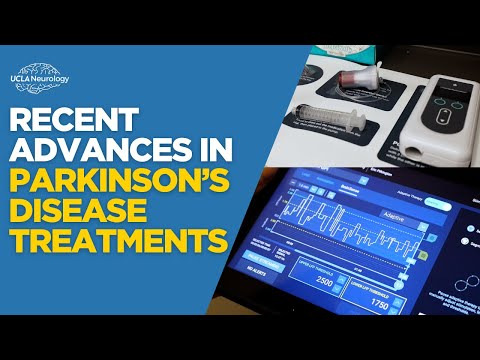
Parkinson's disease treatment has undergone significant transformations since the introduction of levodopa in the 1960s. Today, a combination of pharmacological
Overview
Parkinson's disease treatment has undergone significant transformations since the introduction of levodopa in the 1960s. Today, a combination of pharmacological, surgical, and lifestyle interventions are employed to manage the condition. Dopamine replacement therapies, such as carbidopa-levodopa and dopamine agonists, remain the cornerstone of treatment. However, their long-term use is often limited by the development of motor fluctuations and dyskinesias. Deep brain stimulation, a surgical procedure that involves implanting an electrode in the brain, has emerged as an effective treatment for advanced Parkinson's disease, with studies showing significant improvements in motor function and quality of life. Researchers are also exploring novel therapeutic approaches, including gene therapy and stem cell transplantation, which hold promise for slowing or halting disease progression. For instance, a recent clinical trial demonstrated the safety and efficacy of gene therapy in improving motor function in patients with Parkinson's disease, with a mean improvement of 34% in the Unified Parkinson's Disease Rating Scale (UPDRS) score. As our understanding of the disease's underlying biology continues to grow, so too do the possibilities for innovative and personalized treatments, with potential applications in other neurodegenerative disorders, such as Alzheimer's and Huntington's disease.