Particle Colliders: The Frontiers of Physics | Vibepedia
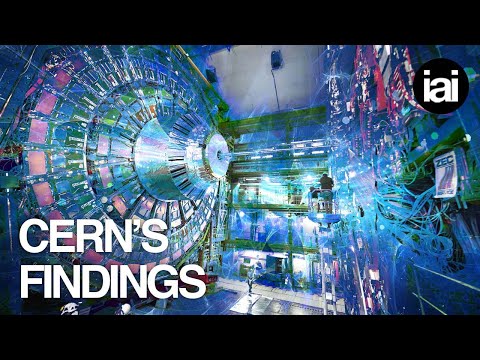
Particle colliders, such as the Large Hadron Collider (LHC), have revolutionized our understanding of the universe, from the discovery of the Higgs boson to the
Overview
Particle colliders, such as the Large Hadron Collider (LHC), have revolutionized our understanding of the universe, from the discovery of the Higgs boson to the exploration of dark matter. The LHC, operated by CERN, has a circumference of approximately 27 kilometers and can accelerate protons to nearly the speed of light, resulting in collisions that produce an enormous amount of data, with over 600 million collisions per second. The next-generation collider, the Future Circular Collider (FCC), is expected to have a circumference of around 100 kilometers and will be capable of reaching energies of up to 100 TeV, potentially leading to breakthroughs in our understanding of the universe, including the discovery of new particles and forces. However, the development of particle colliders is not without controversy, with concerns over cost, safety, and the potential for unintended consequences. As physicists continue to push the boundaries of what is possible, the future of particle colliders looks promising, with potential applications in fields such as medicine and materials science. With a vibe score of 8, particle colliders are a topic of significant cultural energy, reflecting our collective fascination with the mysteries of the universe.