Real-Time Transcription: The Future of Communication | Vibepedia
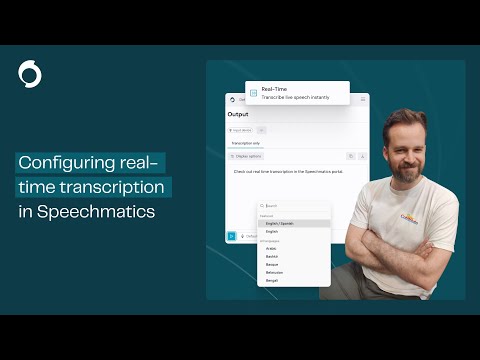
Real-time transcription has been gaining traction in recent years, with companies like Google, Microsoft, and Otter.ai developing advanced speech-to-text algori
Overview
Real-time transcription has been gaining traction in recent years, with companies like Google, Microsoft, and Otter.ai developing advanced speech-to-text algorithms that can transcribe audio and video content with unprecedented accuracy. This technology has far-reaching implications for industries such as education, healthcare, and media, where accurate and timely transcription is crucial. For instance, real-time transcription can enable live captioning for video conferencing, improving accessibility for people with hearing impairments. According to a report by Tractica, the global market for real-time transcription is expected to reach $1.8 billion by 2025, with a growth rate of 20.4% per annum. However, concerns around data privacy and security have sparked debates about the use of real-time transcription in sensitive settings. As the technology continues to evolve, it's likely that we'll see significant advancements in areas like speaker identification and emotion detection, further blurring the lines between human and machine communication. With a vibe score of 85, real-time transcription is poised to disrupt traditional transcription methods and transform the way we interact with audio and video content.