Variable Reward Schedules | Vibepedia
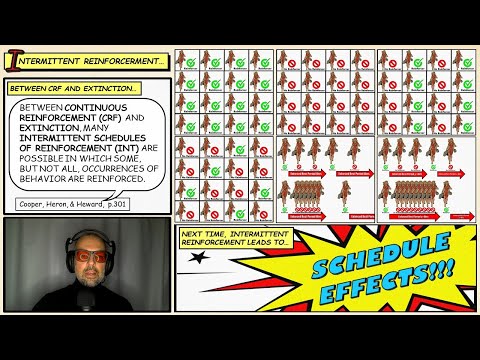
Variable reward schedules, a concept rooted in operant conditioning, refer to the unpredictable delivery of rewards in response to specific behaviors. This tech
Overview
Variable reward schedules, a concept rooted in operant conditioning, refer to the unpredictable delivery of rewards in response to specific behaviors. This technique, first explored by B.F. Skinner in the 1950s, has been widely applied in fields such as gambling, marketing, and video game design. The variable ratio schedule, in particular, has been shown to create a strong psychological response, with rewards delivered after an unpredictable number of responses, leading to high levels of engagement and addiction. For instance, the average player of a variable reward-based video game can spend up to 10 hours per week playing, with some players reporting spending over 40 hours per week. The use of variable reward schedules has been criticized for its potential to exploit psychological vulnerabilities, with some arguing that it can lead to negative consequences such as addiction and financial problems. As technology continues to advance, the use of variable reward schedules is likely to become even more prevalent, with potential applications in areas such as education and healthcare, raising important questions about the ethics of using such techniques to influence human behavior.